Modern Rubber Roofing Solutions for Commercial Properties
When you’re looking to protect your commercial building with a roofing system that delivers exceptional performance and longevity, rubber membrane roofing stands out as one of the most reliable options available today. At Teamwork Exteriors, we specialize in three primary types of single-ply membrane roofing systems: EPDM, TPO, and modified rubber roofing. Each material offers unique advantages that make them ideal for flat and low-slope commercial roofs throughout Cheyenne Metropolitan Area.
Our extensive experience installing these roofing systems has shown us that choosing the right membrane depends on several factors including building use, local climate conditions, energy efficiency goals, and budget considerations. As a GAF Master Elite contractor, we maintain the highest standards of installation quality and can help you determine which rubber roofing solution will provide the best long-term value for your specific property.
EPDM Roofing Systems: Proven Durability and Weather Resistance
EPDM (Ethylene Propylene Diene Monomer) represents one of the most time-tested rubber roofing materials in the industry, with some installations lasting over 40 years with proper maintenance. This synthetic rubber membrane typically comes in large sheets that minimize seams, reducing potential leak points across your roof surface. The material’s inherent flexibility allows it to expand and contract with temperature changes without cracking or splitting, making it particularly well-suited for the extreme weather conditions we experience in Cheyenne, Ranchettes, Fox Farm College, & South Greeley WY.
The installation process for EPDM involves either fully adhering the membrane with specialized adhesives, mechanically fastening it with plates and screws, or using a ballasted system where river rock holds the membrane in place. Each installation method offers specific benefits, and our team evaluates factors like roof deck condition, building height, and local wind speeds to recommend the most appropriate approach. EPDM’s dark surface naturally absorbs heat, which can be advantageous during winter months by helping to melt snow and ice more quickly.
TPO Membranes: Energy Efficiency and Heat Reflection
Thermoplastic Polyolefin (TPO) roofing has gained significant market share over the past two decades, now accounting for approximately 40% of the commercial roofing market. This white or light-colored membrane reflects up to 87% of the sun’s rays, dramatically reducing cooling costs during summer months. For building owners focused on energy efficiency and environmental sustainability, TPO provides an excellent balance of performance and cost-effectiveness.
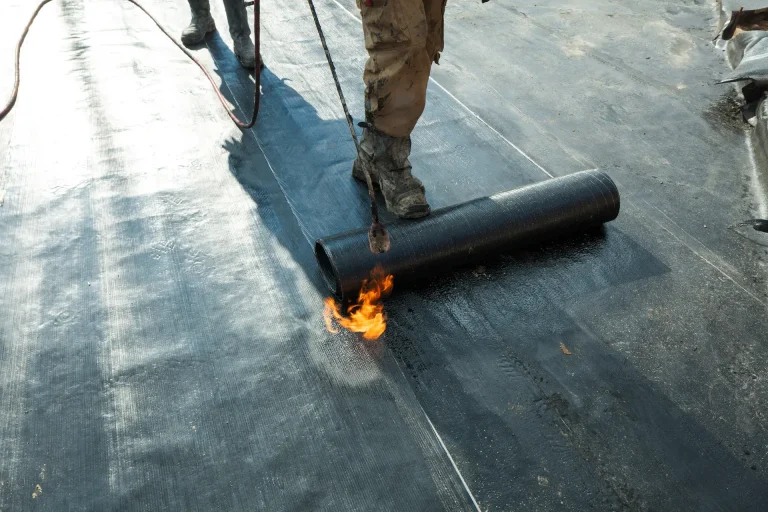
The heat-welded seams created during TPO installation form bonds that are actually stronger than the membrane itself, creating a virtually seamless waterproof barrier across your entire roof surface. This welding process uses hot air to fuse overlapping sheets together, eliminating the need for adhesives or tapes that might degrade over time. TPO membranes also resist tears, punctures, and chemical exposure better than many traditional roofing materials, making them ideal for buildings near industrial areas or those with rooftop mechanical equipment.
Installation Excellence and Long-Term Performance
Our approach to rubber roofing installation begins with a comprehensive roof inspection to assess the existing substrate condition, identify any structural concerns, and determine the optimal membrane thickness for your application. Standard membrane thicknesses range from 45 mils to 80 mils, with thicker membranes generally providing greater puncture resistance and longevity. We also evaluate insulation requirements, as proper insulation not only improves energy efficiency but also helps prevent condensation issues that could compromise the roofing system.
Throughout the installation process, we pay particular attention to critical details like flashings around penetrations, parapet walls, and HVAC curbs. These transition areas require specialized techniques and materials to ensure watertight connections that will maintain their integrity for decades. Our participation in Roofs for Troops demonstrates our commitment to giving back to the community while maintaining the exceptional craftsmanship standards that have earned us recognition as an award-winning contractor.
Maintenance and Warranty Considerations
- Annual Inspections: Professional evaluations help identify minor issues before they become costly problems
- Debris Removal: Keeping drains and scuppers clear prevents ponding water that can degrade membranes
- Seam Integrity Checks: Regular examination of seams and flashings ensures continued waterproofing performance
- Puncture Repairs: Prompt patching of any membrane damage maintains the roof’s protective barrier
- Warranty Documentation: Proper maintenance records help preserve manufacturer warranty coverage
Understanding warranty options helps protect your roofing investment over its expected service life. Manufacturer warranties typically cover material defects for 10 to 30 years, while our workmanship warranties ensure proper installation standards. Some TPO and EPDM manufacturers offer additional coverage options including wind speed ratings and hail damage protection, providing extra peace of mind for property owners concerned about severe weather events.