Understanding Shingle Roofing Systems
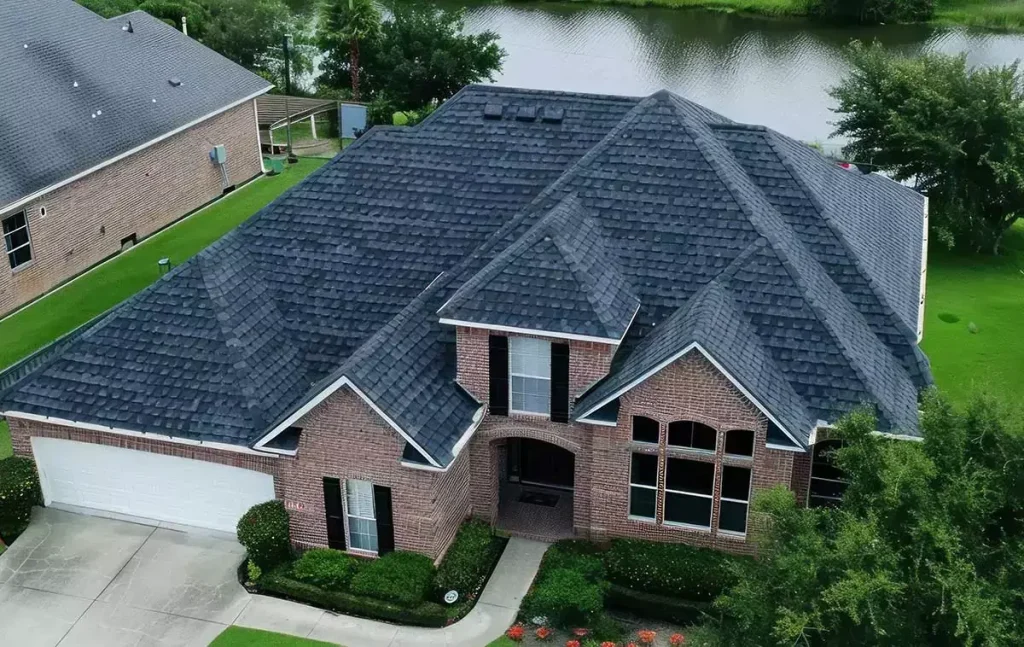
Shingle roofing remains the most popular choice for residential properties across Cheyenne Metropolitan Area, and at Teamwork Exteriors, we’ve perfected the art and science of shingle installation over our 40 years of experience. Modern asphalt shingles combine durability, affordability, and aesthetic appeal in ways that earlier roofing materials simply couldn’t match. The technology behind today’s shingles has evolved dramatically, incorporating advanced materials like fiberglass mats, modified asphalts, and ceramic-coated granules that provide superior protection against UV rays, wind, and impact damage.
The composition of quality shingles involves multiple layers working together to create a comprehensive weather barrier. The base layer typically consists of either organic felt or fiberglass mat, which provides structural stability. This foundation is then saturated and coated with asphalt to create waterproofing properties. The top layer features ceramic-coated granules that not only protect the asphalt from sun damage but also provide the color and texture homeowners desire. As a GAF Master Elite contractor, we work exclusively with premium shingle products that meet or exceed industry standards for performance and longevity.
Installation Excellence and Technical Expertise
Proper shingle installation requires precise attention to detail and comprehensive knowledge of roofing systems. We begin every project with a thorough inspection of the roof deck, ensuring structural integrity before any shingles are laid. This includes checking for proper ventilation, which plays a crucial role in shingle longevity by preventing moisture buildup and regulating attic temperatures. Our installation process follows manufacturer specifications exactly, ensuring warranty compliance and optimal performance.
The technical aspects of shingle installation involve careful consideration of factors like roof pitch, local wind patterns, and climate conditions specific to Cheyenne, Ranchettes, Fox Farm College, & South Greeley WY. We calculate the appropriate nailing patterns based on wind zone requirements, typically using six nails per shingle in high-wind areas compared to the standard four. Proper overlap and offset patterns prevent water infiltration, while correct starter strip and hip and ridge cap installation ensure complete edge protection. Our expertise in storm restoration has taught us that attention to these details makes the difference between a roof that merely functions and one that excels under extreme weather conditions.
Material Selection and Performance Characteristics
Choosing the right shingle involves understanding the various options available and how they perform in different conditions. We guide homeowners through the selection process, explaining the benefits of:
- Architectural shingles: These dimensional shingles offer enhanced durability and aesthetic appeal with their layered construction
- Impact-resistant shingles: Designed to withstand hail damage, these products often qualify for insurance discounts
- Energy-efficient shingles: Featuring reflective granules that reduce heat absorption and lower cooling costs
- Designer shingles: Premium options that replicate the appearance of slate, wood shake, or tile
Performance ratings help homeowners make informed decisions. Wind resistance ratings range from 60 mph for basic shingles to 130 mph or higher for premium products. Impact resistance is measured on a scale from Class 1 to Class 4, with Class 4 shingles able to withstand impacts from 2-inch steel balls dropped from 20 feet. Fire resistance ratings, typically Class A for asphalt shingles, indicate the material’s ability to resist flame spread and penetration.
Maintenance Strategies and Longevity Factors
Maximizing shingle roof lifespan requires understanding the factors that contribute to deterioration and implementing preventive maintenance strategies. Regular inspections allow early detection of potential issues like lifted shingles, granule loss, or damaged flashing. We recommend professional inspections at least twice yearly, particularly after severe weather events. Our experience in storm restoration has shown that prompt attention to minor damage prevents costly major repairs.
Environmental factors significantly impact shingle longevity. Temperature fluctuations cause expansion and contraction cycles that can eventually lead to cracking. UV exposure breaks down the asphalt binder over time, making proper attic ventilation crucial for temperature regulation. Moss and algae growth, common in shaded areas, can be prevented with zinc or copper strips installed at the ridge. As participants in Roofs for Troops, we’ve seen firsthand how proper maintenance extends roof life regardless of climate challenges, providing lasting protection for military families and all our clients throughout the communities we serve.